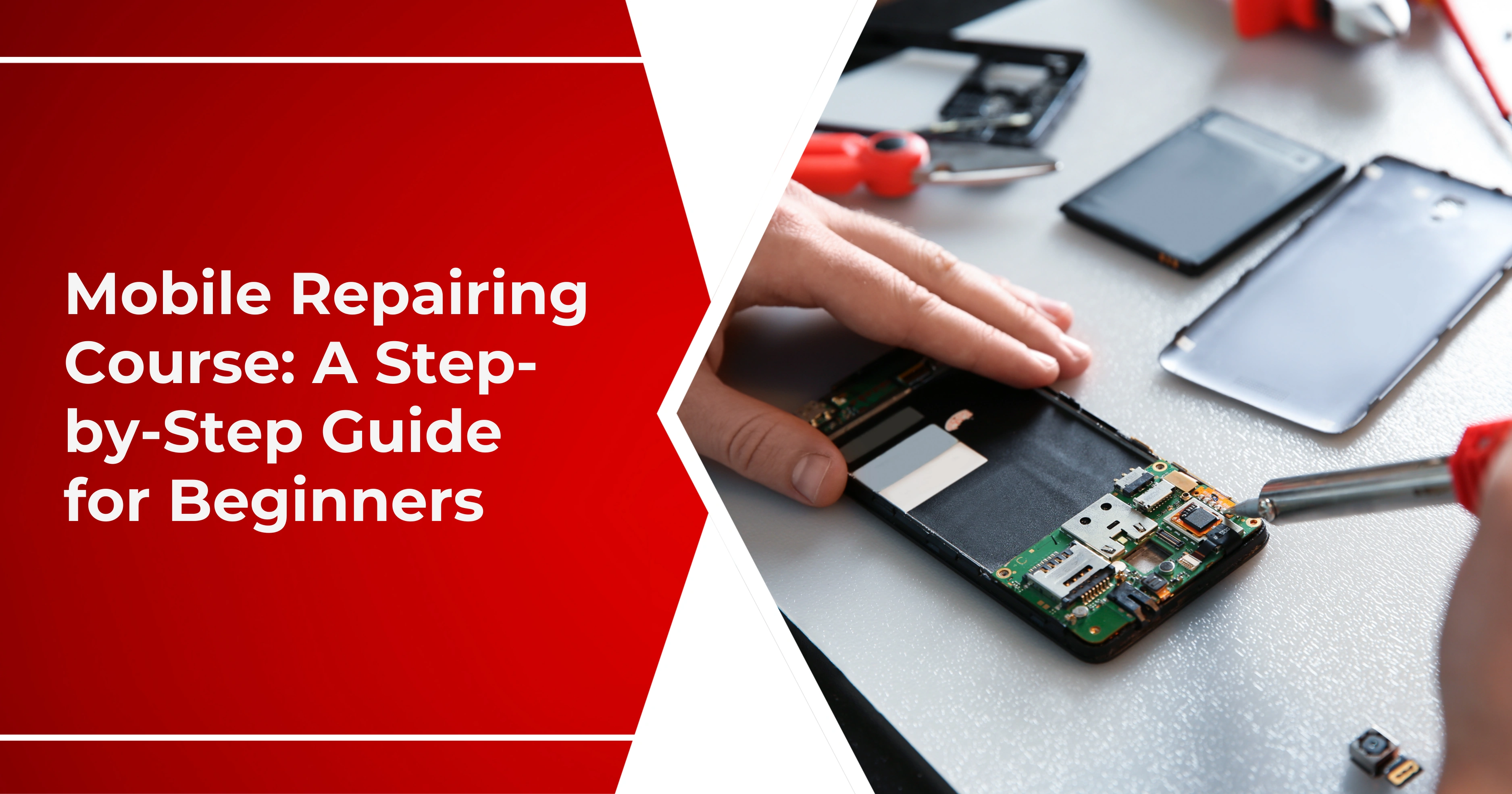

kSmartphones occupy such a massive space in our everyday lives, and they can keep us from staying in touch when the cell phone battery dies. If your battery life is constantly poor or if your phone is shutting down randomly, then it might be time for you to consider replacing or repairing a bad phone battery. This blog will take you through the steps to replace or repair a faulty cell phone battery so you can get back to using it without any hitches.
Understanding Your Phone Battery
- However, it is unavoidable that these batteries tend to degrade over time due to such reasons as:
- Age:Ages range from about 2 to 3 years before they lose capacity, generally for lithium-ion batteries.
- Deep Discharges: If the battery is often permitted to fall to 0%, it shortens its life span. If you find out any of the following, then it would be probably time to find out how to replace or fix a bad phone battery:
Before getting started with how to replace or fix a faulty phone battery, know the basic elements of your smartphone's power system. Most smartphones of recent generation use lithium-ion batteries which have various advantages such as high energy density and low self-discharge rates.
Steps to Replace or Repair a Malfunctioning Phone Battery
- Replacement Battery: This might depend on the model type that your smartphone has. The appropriate replacement model must be used.
- Small Phillips Head Screwdriver: This is used to remove the screws which hold the back cover and the battery compartment in place.
Step 1: Gather Necessary Tools
Before you get onto the step-by-step process for either replacing or fixing your battery, make sure you have all the tools on hand. Some of these things that will likely prove quite important are as follows.
Step 2: Power Down Your Device
In working with electronics, one must be very careful regarding security. Begin by powering off your smartphone totally. This will prevent any kind of accidental short circuits and will allow you to work safely.
Step 3: Remove the Back Cover
Remove the back cover of your smartphone. Some devices may have screws that need to be unscrewed while others use a plastic spudger to pry the back cover. You should be careful not to snap any clips or connectors.
Step 4: Disconnect the Battery
Once you have removed the back panel, you need to find your battery connector and then disconnect it. You use your spudger or tweezers here. Be gentle with this part as damage to this can lead to more complications.
Step 5: Remove the Old Battery
Replace Battery: If it is time to replace the battery, carefully lift it out of its compartment and use the proper phone repair tools. The adhesive that attaches to the battery sometimes needs a little gentle heat to break up the adhesive and free the battery. Be extremely careful with the application of heat.
Step 6: Install the New Battery
Put your new battery into the compartment. Make sure it fits in there tightly. Replace your battery connector securely. If your device relies on adhesives, apply them well so that it does not shift when you put down your device.
Step 7: Reassemble Your Phone
Take your time closing the smartphone back into its cover; also, make sure all clips are locked back into position, and if applicable, put the screws back on. This is crucial to prevent damage to your device.
Step 8: Power On Your Device
Power on your device with everything put back together. Test that the new battery works properly. You should see your system performing well and getting better battery life. This can help you to resolve the problem with your phone.
Step 9: Dispose of the Old Battery Responsibly
This is highly important from an environmental perspective. It should never be placed in the trash. Most local electronics stores or recycling centers have designated programs to recycle your batteries.
Guide to Changing or Repairing a Phone Battery: Common Issues and Solutions
Identifying Common Battery Issues
In some instances, a battery doesn't necessarily require replacement but may only be recalibrated or fixed. This is a list of some common causes and solutions:
- Battery Calibration: Sometimes, your phone shows you the wrong information on battery levels. Recalibrate by letting the phone drain to zero, then charge it uninterrupted to 100%.
- Software Updates: Confirm that your device has the latest version of the software as manufacturers issue some updates that improve the functionality of your device's battery.
- Background Applications: There are certain applications that consume more battery than needed. Check out which applications are running in the background and close those applications that do not have any significance.
- Battery Saver Mode: Allow your device to activate the battery saver mode at its own discretion so that the battery life can be extended when it is required.

When to Seek Professional Help
If the problem with the battery continues as per the process above, then probably this is the right time to take it to a professional service center. Some problems, for example charging ports, circuitry damage, or software trouble might call for professional attention. A trip to an authorized service center will ensure that your device is diagnosed and repaired correctly.
If you want to learn mobile repair, then Ak Info provides the best mobile repair course in online and offline modes.
Conclusion
Knowing how to change or replace a bad phone battery saves you time and money. Read this article, and you will learn how to replace or repair a bad battery on a malfunctioning device so that your device runs smoothly and efficiently. Always remember, always be safe and responsibly dispose of old batteries. Relax and, with the right tools, you'll have that smartphone working at its best within minutes. In case you get stuck, don't be afraid to refer to professionals with handy help.